Dr. Andrea S. Medrano
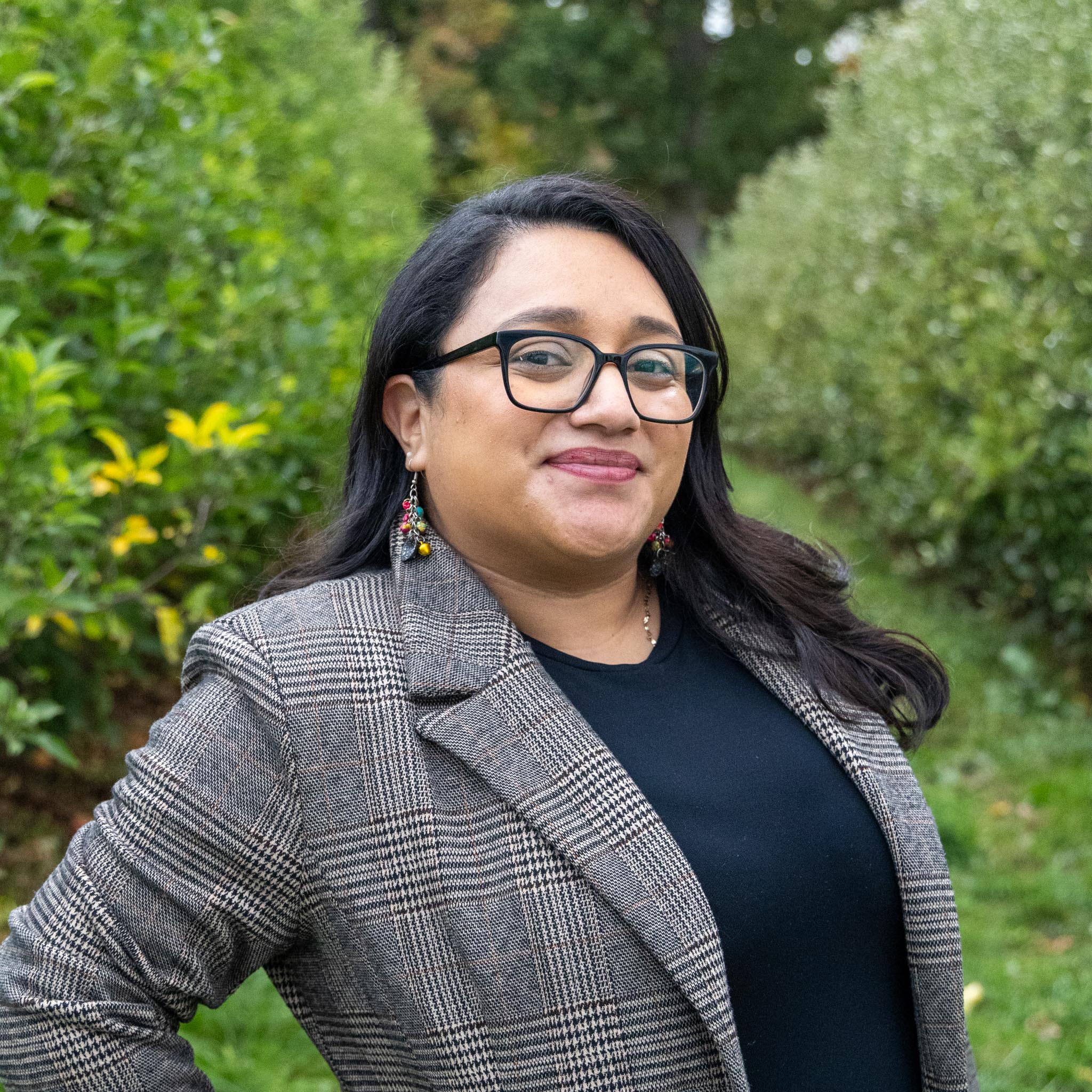
Director of CREAR Lab
My program of research examines how violence and structural adversity shape academic and psychological functioning across the lifespan, with a particular focus on Latina/o/x youth and parents. I explore contextual factors such as exposure to community violence, sexual harassment, and neighborhood disinvestment, and how these intersect with individual and cultural resilience to influence developmental outcomes. Grounded in a resilience framework and strengths-based perspective, my work identifies protective factors at the individual, family, neighborhood, and cultural levels such as familismo, hope, parent-adolescent relationships, religiosity, and academic engagement that can buffer youth and adults from negative mental health and educational outcomes. Increasingly, my research also focuses on the intersection of multiple marginalized identities, examining how race and ethnicity, gender, class, and rurality shape experiences of trauma and healing. In my free time, you can find me with my three boys Alfredo [16], Adrian [16], and Mateo [4] and our beautiful cat Teddy. We're often setting up movie marathons or bingeing new TV series together.
Leadership & Affiliations
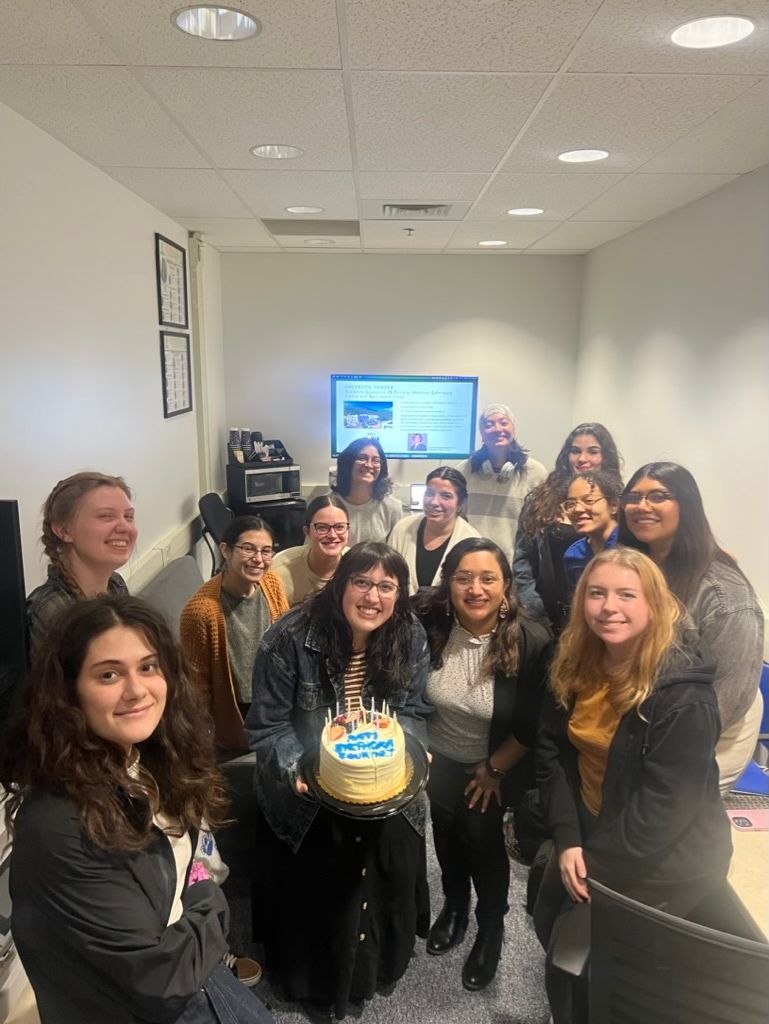
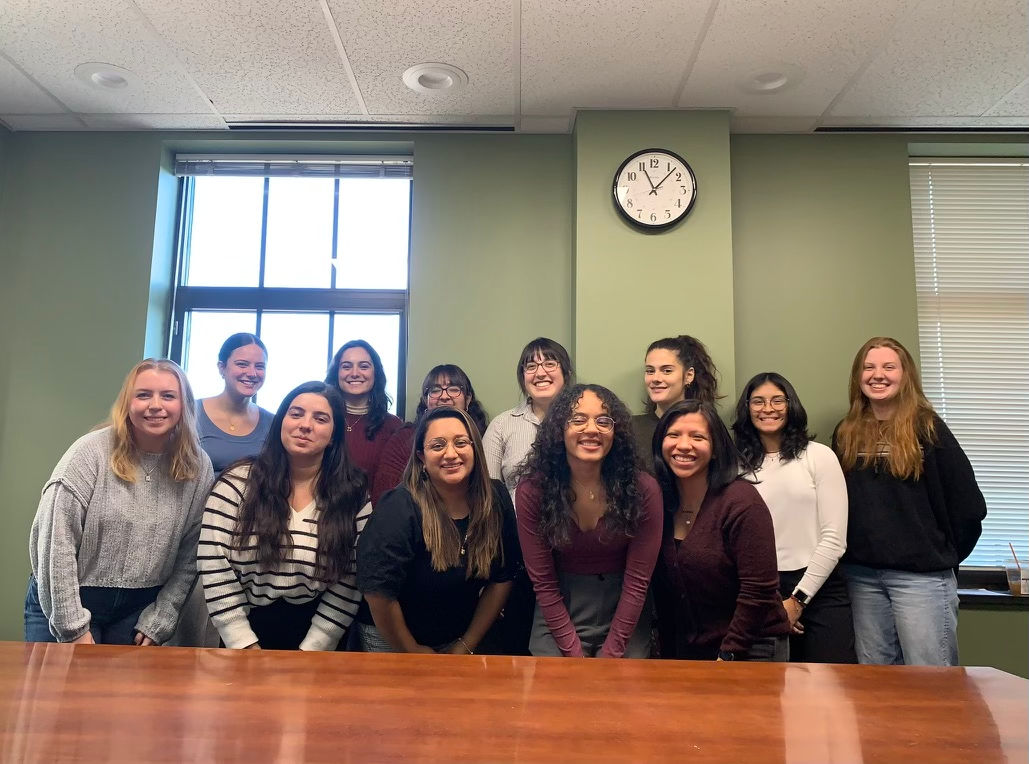
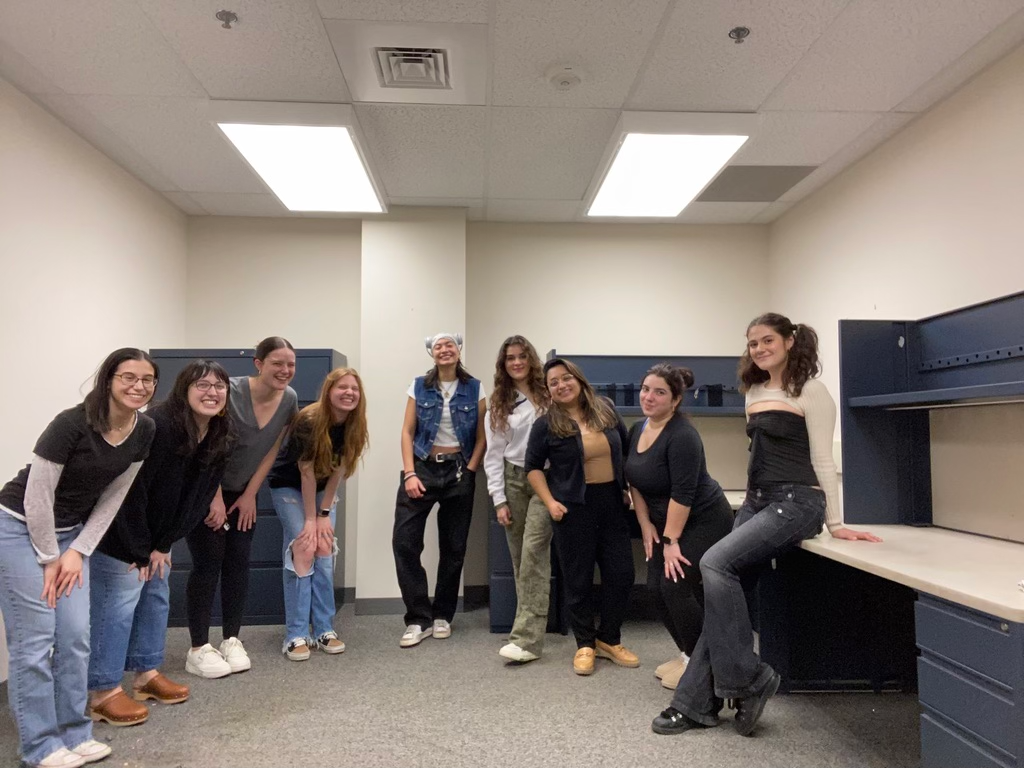
- Director, CREAR Lab (Community Research Exploring Adolescent Resilience)
- Faculty Affiliate, Clinical Psychology Program at Pitt
- Affiliated Faculty in Global Study Center and Center for Latin American Studies
Awards & Fellowships
- Global Academic Partnership Fund, Global Studies Center, University of Pittsburgh(2025–2027)
- Dr. Dolores O. Morris Fund Early Career Grant, American Psychological Foundation(2025–2026)
- Small Grants Program for Early Career Scholars, Society for Research in Child Development(2024–2025)
- Grand Challenges for Social Work Doctoral Award, The New York Community Trust(2023)
- Ford Foundation Pre-doctoral Fellowship (2020)
- Latin American and Caribbean Studies Field Research Grant, University of Michigan (2020)
- Rackham Merit Fellowship, University of Michigan (2017–2023)
Research Impact
By the Numbers
- 24+ peer-reviewed publications in top-tier journals including Journal of Youth and Adolescence, American Journal of Community Psychology, and Trauma, Violence, & Abuse
- 115 citations across Google Scholar
- Nearly 2,000 research participants (N = 1,951) across the US and Mexico, including youth, parents, and community members
- 20+ students mentored
- 7+ community partnerships spanning Pittsburgh neighborhoods and rural Mexican communities
- 3 countries, 5+ research sites - bringing research directly to underserved communities
- $100,000+ in research funding as Principal Investigator
- Multiple awards including Best Quantitative Paper (2024) and Ford Foundation Fellowship
Selected Publications
Medrano, A.S. , Medina, C. M., Davila, S. A., Adame Montelongo, E. S., Jenkins, A. S., Pina, I. M., Vazquez, Y. N., Leonard, A. F., Dupree, G. E., Martinez, A., Kabir, Z., & Wah Figueroa, F. (in press). Sexual victimization in school, community, and online contexts: A scoping review on the measurement of youth sexual victimization. Trauma, Violence, & Abuse. (2025). “Uno no puede solucionarlo por sí mismo”: Sociocultural influences on mental health and help-seeking attitudes among rural Mexican adults. Journal of Cross-Cultural Psychology. https://doi.org/10.1177/15248380251412532 🔗
Medina, C. M., Hudson, J. A., Geoffroy, G., Harvey, A., & Medrano, A.S. (in press). Puedes decirnos con confianza: A mixed methods study of neighborhood-based sexual harassment and parent-adolescent communication in rural Mexico.Violence Against Women. https://doi.org/10.1177/10778012251410898 🔗
Davila, S. A., Adame Montelongo, E. S., Labrousse, D., & Medrano, A.S. (2025). “Uno no puede solucionarlo por sí mismo”: Sociocultural influences on mental health and help-seeking attitudes among rural Mexican adults. Journal of Cross-Cultural Psychology. https://doi.org/10.1177/00220221251387702 🔗
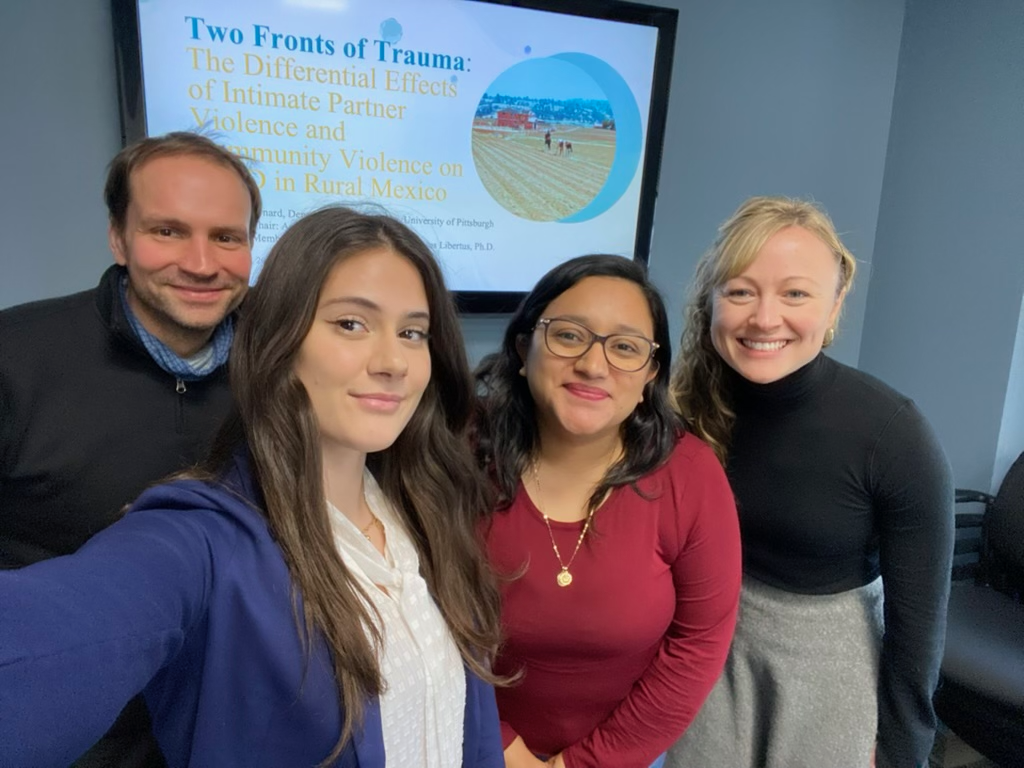
Leonard, A. F., Estrada, Y., Jakubowski, K., & Medrano, A.S. (2025). Two fronts of trauma: The differential effects of intimate partner violence and community violence on PTSD in rural Mexico. Journal of Interpersonal Violence. https://doi.org/10.1177/08862605251375422 🔗
Ganu, D., Starks, B., Davila, S. A., & Medrano, A.S. (in press). Campus climate and the mental health of college student caregivers: The mediating role of group belonging. Journal of Higher Education.
Cross, F. L., Hoffman, A. J., Medrano, A.S. , Medina, M. A., Esqueda, A. P., & Rivas-Drake, D. (in press). Fostering futures: Academic socialization and perceived educational utility among Latinx parent-adolescent dyads. Journal of Latinx Psychology. https://doi.org/10.1037/lat0000289 🔗
Medrano, A.S. , Ortega, R., Cordova, D., & Gutierrez, L. (in press). Employing an empowerment approach with Latinx youth engaged in health risk behaviors. In R. Ceballo & D. Rivas-Drake (Eds.), Growing up Latinx in the land of liberty: Drawing on community and culture to face contextual challenges. Oxford University Press.
Davila, S. A., Martinez, A., & Medrano, A.S. (2025). Navigating familial and economic stressors: Examining resilience and cohesion as protective factors for rural Mexican adolescents. Cultural Diversity & Ethnic Minority Psychology. https://doi.org/10.1037/cdp0000754 🔗
Medrano, A.S. , & Ceballo, R. (2025). Neighborhood violence, parent-child cohesion, and psychological outcomes in Latino adolescents: A longitudinal moderation analysis. Psychology of Violence. https://doi.org/10.1037/vio0000604 🔗
Sabina, C., Mariscal, S. E., Weber, M., Medrano, A.S. , Flores, Y., Agorde, E., Elliot, J. M., Gonzalez, V. V., & Restrepo-Ruiz, M. (2025). Factors enhancing resilience among youth exposed to macro-level violence in Spanish-speaking countries in Latin America. Trauma, Violence, & Abuse, 26(2), 265–282. https://doi.org/10.1177/15248380241309375 🔗
Medrano, A.S. , Davila, S. A., Labrousse, D., Adame Montelongo, E. S., & Williams, E.-D. G. (2025). Disentangling machismo and caballerismo: Mental health help-seeking in rural Mexico. Journal of Rural Mental Health, 49(3), 267–277. https://doi.org/10.1037/rmh0000291 🔗
Garcia, Y., Medrano, A.S. , & Woods, V. (2024). Perceived stigma, mental health, and campus support among Latina/o and White college students. Journal of American College Health. https://doi.org/10.1080/07448481.2024.2428408 🔗
Kia-Keating, M., Santacrose, D., Adams, J., Harms, M., Taghavi, I., Liu, S., & Mora, A.S. (2024) . Equitable prevention science and participatory co-design of the HEROES strength-based programs. Journal of Prevention and Health Promotion. https://doi.org/10.1177/26320770241246672 🔗
Mora, A.S. , Gutiérrez, L. M., & Ceballo, R. (2024). The role of parent–adolescent communication among youth exposed to neighborhood violence in rural Mexico. Families in Society, 1–18. https://doi.org/10.1177/10443894231222942 🔗 • Awarded 2024 Best Quantitative Paper
Krings, A., Mora, A.S. , Bechara, S., Sánchez, C., Gutiérrez, L. M., Hawkins, J., & Austic, E. (2024). How early social work faculty experienced support in their doctoral programs. Journal of Social Work Education, 60(2), 206–224. https://doi.org/10.1080/10437797.2023.2279789 🔗
Mora, A.S. , LoDuca, K. M., & Ceballo, R. (2023). Adolescents in the community: Extracurricular activities and sexual harassment. Journal of Youth and Adolescence, 52, 1788–1798. https://doi.org/10.1007/s10964-023-01812-8 🔗
Mora, A.S. , Muñoz-Velázquez, J., Alers-Rojas, F., Ceballo, R., & Cranford, J. (2023). Understanding Latino adolescents’ experiences with discrimination: An intersectional approach. Journal of Latinx Psychology, 11(4), 306–321. https://doi.org/10.1037/lat0000234 🔗
Mora, A.S. , Greer, C. D., Hunter, J., & Gutierrez, L. (2022). Social work faculty attitudes towards diversity and oppression content in the MSW curricula. Social Work Education, 1–18. https://doi.org/10.1080/02615479.2022.2130233 🔗
Ceballo, R., Alers-Rojas, F., Mora, A.S. , & Cranford, J. A. (2022). Exposure to community violence: Toward a more expansive definition and approach to research. Child Development Perspectives, 16(2), 96–102. https://doi.org/10.1111/cdep.12448 🔗
Mora, A.S. , Ceballo, R., & Cranford, J. (2022). Latino/a adolescents facing neighborhood dangers: An examination of community violence and gender-based harassment. American Journal of Community Psychology, 69(1–2), 18–32. https://doi.org/10.1002/ajcp.12556 🔗
Photo Gallery